







Search Results for: Cold-Brew Coffee
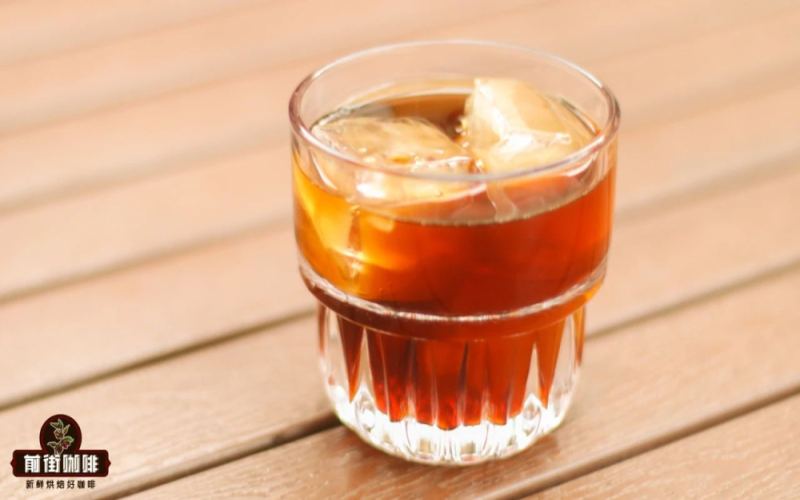
Coffee Types | What Are the Differences in Taste, Mouthfeel, and Characteristics Between Ice-Brewed Coffee and Cold Brew Coffee? How Long Can Ice-Drip and Cold-Brew Coffee Concentrate Be Stored in the Refrigerator?
For more specialty coffee knowledge, please follow our WeChat public account: Front Street Coffee (FrontStreet Coffee). Recently, Front Street came across a discussion asking "What's the difference between ice-brewed coffee and cold brew coffee?" Some replies said there was no difference, while others joked, "The difference is whether it's made by my hands. [more…]
How Long Can Cold Brew Coffee Be Stored Without Its Flavor Deteriorating? A Detailed Guide to Ice-Drip and Cold-Brew Methods and Storage Times
On a sweltering summer day, a glass of iced coffee instantly refreshes the senses. As a key member of the iced coffee family, cold brew coffee actually splits into two distinctly different methods—ice drip and cold steep—each with its own flavor profile and level of difficulty. This article covers the history of cold brew coffee, the complete steps for both brewing methods, coffee-to-water ratios and grind parameters, and the shelf life and flavor development patterns that everyone cares about most. Front Street Coffee has also recommended a range of specialty beans suited to low-temperature extraction—including Sherry, Fruit Ding Ding, and Huakui—to match different taste preferences, helping you easily make a cup of cold brew coffee to your liking at home. [more…]
The Complete Guide to Brewing Black Tea Correctly: Hot Tea, Milk Tea, Cold Brew, and the Differences Between Hong Kong-Style and Regular Milk Tea Recipes
Black tea gets its rich color and full-bodied taste from full fermentation, but different grades, brewing temperatures, and drinking methods all affect the final flavor. This article systematically sorts out the core knowledge of black tea, from temperature control, spice additions, and timing for hot brewing, to the simmering techniques for Indian milk tea, the cold-brew refrigeration extraction method for iced black tea, and creative drinks such as vodka black tea and hot toddy, along with the standard recipe for Hong Kong-style milk tea, helping coffee and tea lovers fully master the many possibilities of black tea. Whether you prefer it plain or with a rich milky taste, you can find a brewing method that suits you. [more…]
90+ Lookout Perci Panama Natural Geisha: Pour-Over Parameter Analysis and Cold Brew Recipe Sharing
90+ Outlook Perci is a natural Geisha coffee from Panama's Geisha estate, introduced and recommended by Front Street Coffee. Its flavor profile far exceeds the impression traditionally associated with Geisha—beyond the base notes of chamomile, orange blossom, and jasmine, it also presents rich layers of cherry, mango, pineapple, banana, plum, red grape, honey, and peach. This article explores the origin information, flavor characteristics, and brewing methods of this bean, providing detailed pour-over parameters from Front Street Coffee, including 15 grams of grounds, BG grinder 5R grind setting, 90°C water temperature, V60 dripper, and a complete process of segmented pouring to 220 grams, along with an iced extraction method for coffee enthusiasts' reference. [more…]
Cold Brew Coffee Characteristics | How Is Cold Brew Different from Iced Americano? Introduction to the Coffee-to-Water Ratio, Grind Size, and Extraction Time for Ethiopian Natural Hambela Cold Brew
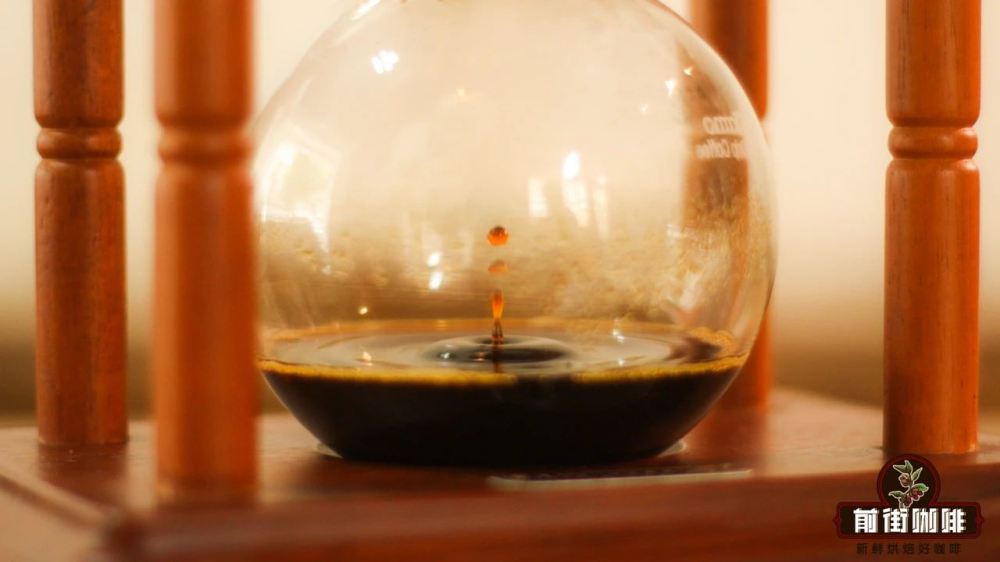
Cold brew drip coffee is usually available in limited quantities at cafés, because each preparation takes over eight hours. Cold brew drip coffee originated in Europe. Since this cold coffee drink is said to have been invented by the Dutch, some people call it DUTCH COFFEE. In addition, during the preparation process, it uses naturally falling water droplets. [more…]
How to Make Milk-Brewed Coffee? From Bean Selection to Cold Brew, Front Street Shares a Practical Guide to Milk-Extracted Coffee
When water can no longer satisfy coffee enthusiasts' desire for exploration, milk becomes a new extraction medium. Is it reliable to brew pour-over coffee with milk? The answer is no—milk has high saturation, weak extraction power, and proteins denature when heated above 70 degrees. But with a different approach, cold-brewing milk coffee by soaking coffee grounds in milk at low temperature is entirely feasible: low temperatures won't spoil the milk, and the extended soaking time exactly compensates for the lack of extraction efficiency. This time, Front Street Coffee selected the medium-dark roasted Sunflower Warm Sun blend, paired with Guangming Fresh Pasture fresh milk, using a 1:8 coffee-to-milk ratio and soaking at low temperature for 12 hours, ultimately obtaining a cup of milk-brewed coffee with sherry wine aroma and chocolate milk flavors. Let's take a look at the specific steps and key details below. [more…]

Cold Brew Coffee | What is the origin of Dutch coffee? Which coffee beans are suitable for cold brew? How much caffeine does cold brew contain?
As the weather gets hotter, the cold brew coffee at Front Street Coffee is selling well. Actually, cold brew coffee is not as complicated as everyone believes. Today, Front Street Coffee will share how to make cold brew coffee and discuss its caffeine content. The origin of cold brew coffee: "In the 1600s, Dutch sailors from the then-colon [more…]

Origins of Cold Brew Coffee | Which coffee beans are suitable for cold brew? How can coffee beginners make cold brew coffee at home? What are the techniques for making cold brew coffee?
As the weather gets hotter, the cold brew coffee at Front Street Coffee is also selling well. Actually, cold brew coffee is not as complicated as everyone believes. Today Front Street will share how to make cold brew coffee and discuss its caffeine content. The origin of cold brew coffee: "In the 1600s, Dutch sailors, from the then-colon [more…]
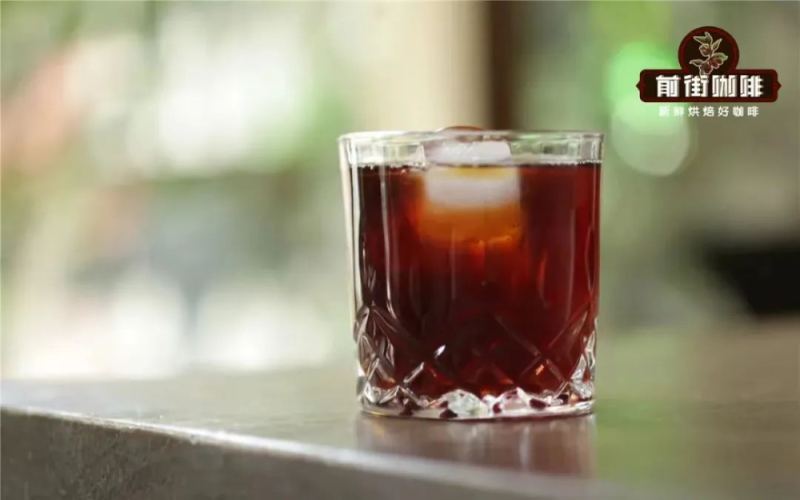
The Origin and History of Cold Brew Coffee | Cold Brew Coffee Extraction Principles, Advantages, and the Best Way to Drink It: Which Single-Origin Coffee Beans Are Suitable for Cold Brew?
As the weather gets hotter, Front Street Coffee's cold brew coffee is selling well. In fact, cold brew coffee is not as complicated as everyone believes. Today, Front Street Coffee will share the making of cold brew coffee. [more…]
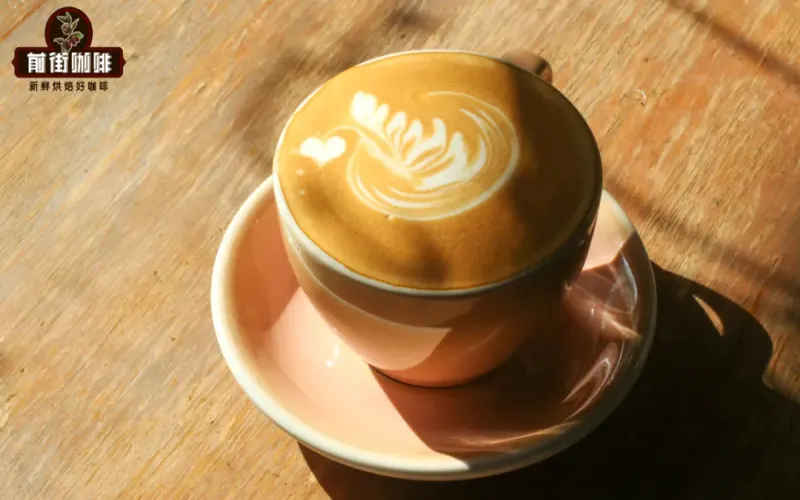
Can you brew drip bag coffee directly with milk? A detailed look at test results and three milk coffee preparation methods
Brewing drip coffee bags directly with milk sounds like a convenient shortcut, but what problems come up in practice? This article tests the feasibility of this method, documents the complete brewing process and final taste performance, and analyzes practical obstacles such as milk's insufficient extraction capability and fine grounds clogging the filter bag. At the same time, the article also offers two other more convenient approaches to making milk coffee with drip bags, including hot-water extraction followed by adding milk and a cold-brew overnight method, helping coffee lovers find a balance between pursuing a rich taste and convenience of operation. [more…]

What's the Difference Between Milk Brew and Cold Brew with Milk? A Detailed Guide to the Fresh Milk Cold Brew Coffee Grounds Method and Cold Brew Latte Preparation
Cold brew coffee methods are endlessly varied, and when milk is introduced into a low-temperature immersion system, two distinctly different paths emerge: one is to directly replace water with fresh milk to cold-brew coffee grounds, known as milk brew; the other is to first make cold brew coffee, then mix in fresh milk according to a ratio. The two differ noticeably in extraction mechanism, flavor direction, and mouthfeel thickness. This article focuses on the practical parameters of Front Street. Queen's Estate, providing respectively the ratios, grind size, refrigeration time, and filtration key points for milk brew coffee and cold brew with milk added, and explaining the choice of medium-dark roasted beans and fruity medium-roasted beans suitable for pairing with milk, to help coffee enthusiasts make a smooth, sweetly fragrant, and clearly flavored cold brew latte in summer. [more…]
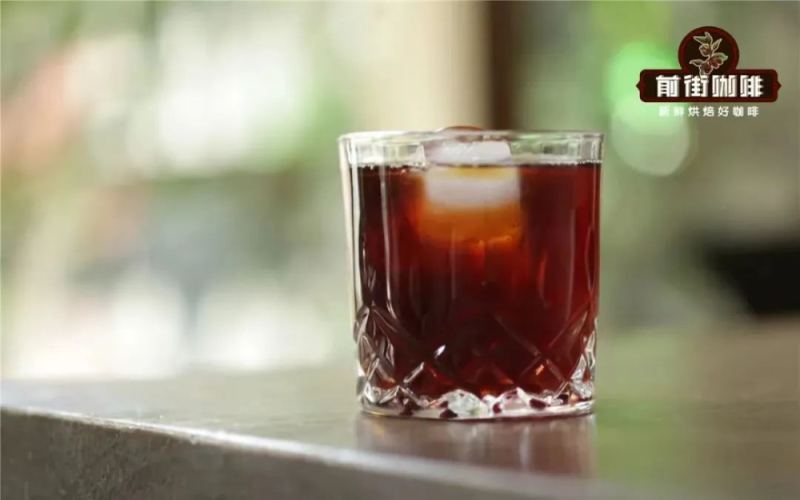
The Complete Guide to Cold Brew Coffee: Origins, Principles, Caffeine Truth, and Bean Pairings
On a hot summer day, cold brew coffee becomes the favorite of many coffee lovers. But when it comes to its origins, brewing principles, caffeine content, and which beans to use, there are all kinds of claims floating around. From the perspective of Front Street Coffee, this article sorts out the historical thread of cold brew coffee, from the Dutch sailor legend to its actual invention in Kyoto, Japan, explains in detail the water-to-coffee ratio, filter paper usage, pre-infusion, and fermentation steps in cold brew equipment operation, and responds to the controversy over whether cold brew coffee's caffeine content is actually high or low. Finally, it offers two cold brew blend recipes commonly used by Front Street Coffee, to help you make cold brew coffee with full aroma and a smooth mouthfeel at home. [more…]

How to Make Cold Brew Coffee Taste Great? A Complete Guide from Origins and Grind Size to Coffee-to-Water Ratio and Front Street Coffee Recipes
Cold brew coffee is a staple drink in summer cafés. Its production takes a long time, so it usually needs to be reserved or prepared in advance. Its flavor differs noticeably from other brewing methods, and one taste often leaves a lasting impression. In this article, Front Street Coffee discusses the origins, production methods, and recipes of cold brew coffee, introducing key steps such as a 1:10 coffee-to-water ratio, grind size calibration, pre-infusion, drip rate control, and refrigerated fermentation, and shares four recipes: classic cold brew, a crisp and clean type, a sweet and pleasant type, and a wine-like type, to help coffee lovers reliably recreate it at home. [more…]

Ice Drip Coffee Powder-to-Water Ratio | How Long Does It Take to Make Ice Drip Coffee? What Coffee Beans Are Suitable for Ice Drip Cold Brew? What Is the Best Enjoyment Period for Ice Drip Cold Brew?
For more specialty coffee knowledge, please follow our WeChat official account: FrontStreet Coffee. In the heat of summer, iced coffee is one of the refreshing beverages to beat the heat. When you walk into a coffee shop, you may notice that the price of cold drip coffee is noticeably higher than that of regular iced coffee. Cold drip coffee, of course, [more…]
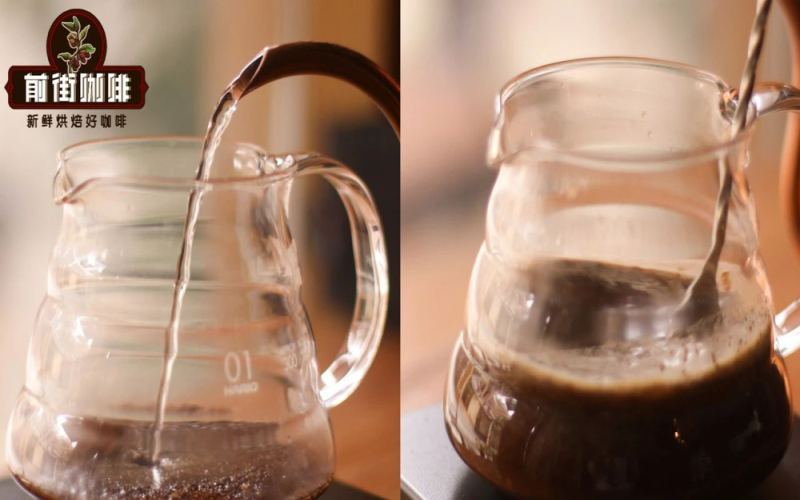
Can Espresso-Ground Coffee Be Used for Cold Brew? A Detailed Guide to Immersion Ratios, Time Adjustments, and Practical Methods
Cold brew is widely recognized as the lowest-barrier way to make iced coffee—all it takes is steeping in cold water. But many coffee lovers wonder: can espresso-ground coffee, which is extremely fine, also be used to make cold brew? This article explores that question. It first outlines cold brew's flavor characteristics and bean selection recommendations, then provides the standard cold brew water-to-coffee ratio, grind size, and step-by-step instructions. Finally, addressing the particular nature of espresso grounds, it explains how to avoid over-extraction by shortening the steeping time and increasing the water-to-coffee ratio, with specific parameters and tasting suggestions included. The article recommends suitable beans such as Front Street Coffee's Huakui, Butterfly, Strawberry Candy Espresso, and Indonesian Lintong Mandheling, helping readers easily make clean, delicious cold brew at home. [more…]
A Complete Guide to Cold Brew Coffee: Coffee-to-Water Ratio, Brewing Time, and Choosing the Right Beans
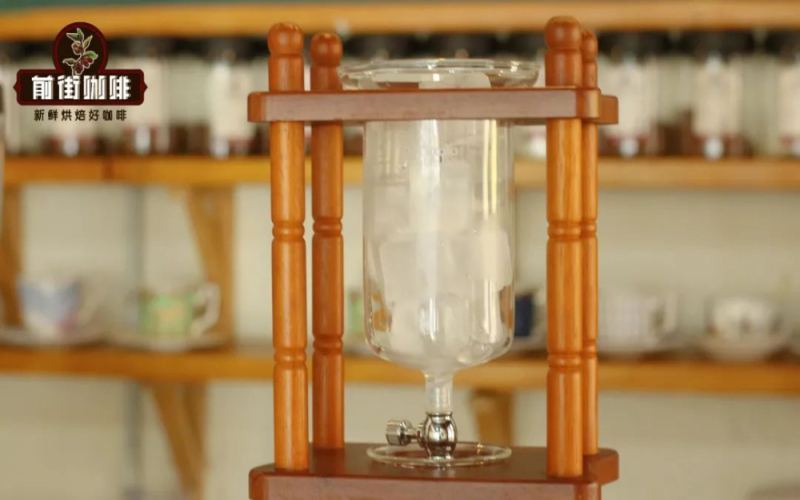
On a scorching summer day, a glass of cold brew coffee always brings refreshing coolness. However, why is cold brew coffee so expensive? How does it differ from iced brewed coffee and Dutch coffee? This article will break down in detail the origins, principles, and optimal tasting period of cold brew coffee, and focus on sharing key brewing parameters such as the coffee-to-water ratio and drip flow rate. At the same time, Front Street Coffee will, based on daily brewing experience, recommend light-to-medium roasted coffee beans suitable for cold brew, including sun-dried Huakui, Flower Butterfly, Strawberry Candy, and Fruit Ding Ding, helping you make a mellow and sweet cup of cold brew coffee at home. [more…]

Why Is Iced Drip Coffee Called Dutch Coffee? A Full Breakdown from Origin Legends to Cold Brew Differences and Brewing Practice
Ice drip coffee is often called Dutch Coffee. The origin story widely circulated was actually fabricated by Japanese coffee practitioners to promote ice drip pots. The mainstream method in Europe and America is not drip-based, but immersion-based cold brew. Ice drip coffee is made by dripping ice water evenly through coffee grounds, a slow extraction at low temperature and normal pressure, giving it a rich yet not bitter taste. Ice-brewed coffee and ice drip coffee both fall within the category of Dutch coffee. This article focuses on the key operational points of ice drip pots—their structure, coffee-to-water ratio, grind size, drip rate control, and refrigerated fermentation—and, drawing on beans such as Front Street Mozart, Sidra, Gutingding, Butterfly, and PWN Golden Mandheling, explains how different flavor-type coffee beans perform in ice drip and how to approach blending them. [more…]
Why Is Cold Brew Coffee Called Dutch Coffee? A Full Analysis from Its Dutch Origins to Front Street Brewing Practices
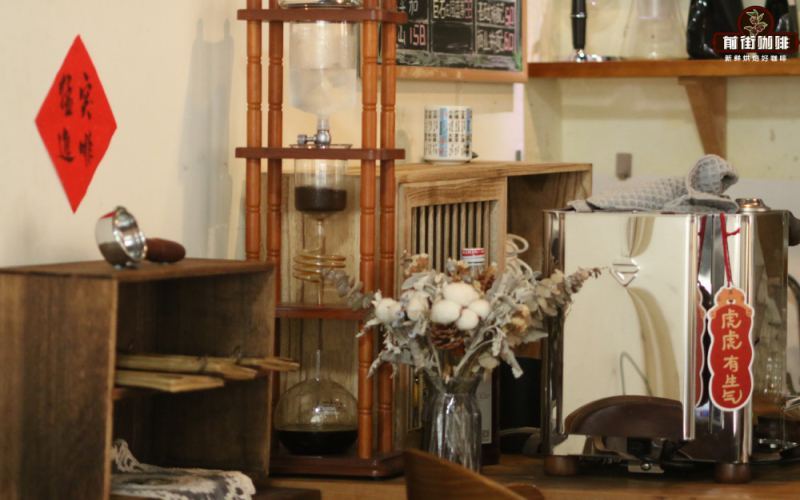
Cold drip coffee is becoming increasingly common in cafes. Watching ice water drip through the coffee grounds, drop by drop, is a uniquely soothing process in itself. But many people don't know that this low-temperature, slow-extraction method actually has another name—Dutch Coffee. So what exactly is the relationship between it and cold brew and iced brew? And how do you use a cold drip tower? Starting from Front Street Coffee's in-store practice, this article sorts out the historical origins, brewing parameters, and bean selection approach for cold drip coffee, helping you systematically understand the ins and outs of this low-temperature extraction method. [more…]
Ice Drip Coffee | Which coffee bean origin is recommended for making ice drip coffee? The origin and story of ice drip coffee
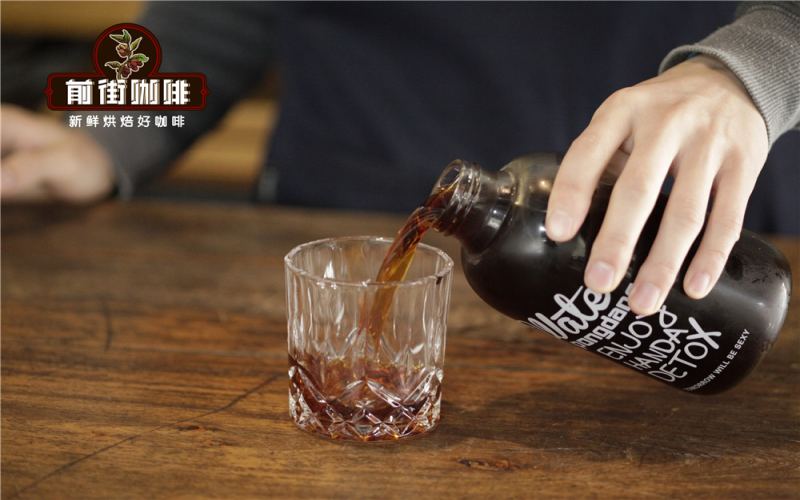
Ice drip coffee, also known as ice-brewed coffee or water-drop coffee, is called Ice Drip coffee in English and is a method of making coffee drinks. Generally, cold brew coffee refers to coffee made by steeping ground coffee beans in room-temperature water for as long as ten-plus hours, after which special filter paper or a filter is needed to separate the water from the coffee. [more…]
The Complete Guide to Cold Brew Coffee: From Origins and Principles to Equipment Operation and Bean Selection Advice
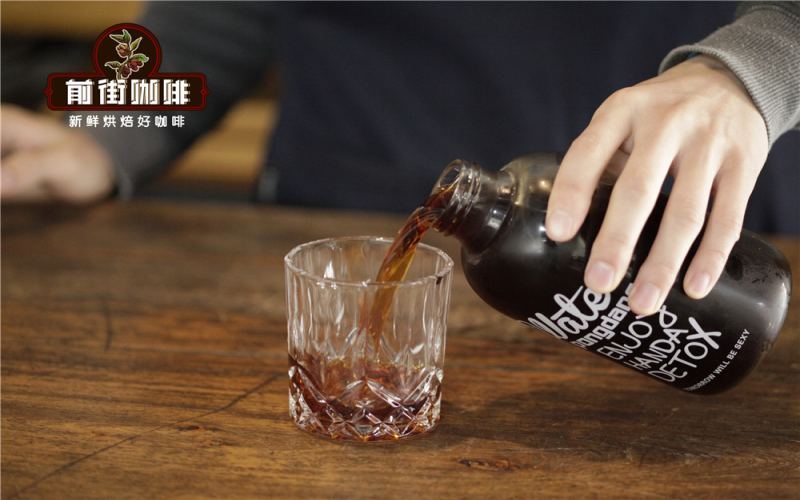
Cold brew drip coffee is a coffee-making method that uses low-temperature ice water for slow drip extraction, forming a sharp contrast with the high-temperature rapid extraction of pour-over. This article systematically reviews the extraction principles, flavor characteristics, and historical origins of cold brew drip coffee, explains how it differs from the cold brew immersion method, and offers bean selection suggestions for different flavor preferences, including specific recommendations such as Front Street Mozart, Yirgacheffe, Kenya Little Tomato, Golden Mandheling, Queen's Estate, Lychee Orchid, and Gesha Village Red Label. At the same time, using actual parameters as examples, it explains step by step the structure of the cold brew drip tower, the coffee-to-water ratio, grind size, flow rate control, filter paper placement, and refrigerated fermentation, helping coffee enthusiasts reliably reproduce at home a cup of cold brew drip coffee with concentrated aroma and a rounded mouthfeel. [more…]